
When someone who understands says "I know exactly what this is."
Ease is a rheumatology clinic built for the patients who've been told it's stress, aging, or something to live with. Start below — your symptoms have a pattern, and that pattern has a name.
Tap the joints that hurt
Joint Symptom Audit
Where does it hurt, and what does it tell you?
Select every joint that has bothered you in the past three months — not just the worst one. Inflammatory conditions rarely announce themselves through a single joint.
Select at least one joint to continue
DIAGNOSTIC INSIGHT
20 min vs 2 hours
That's the diagnostic line
Audit Your Symptoms
Signs your pain is inflammatory, not mechanical
Check every item that applies to you. This isn't a diagnosis — it's pattern recognition. The more you check, the more important a rheumatology evaluation becomes.
Stiffness lasting more than an hour after waking
Osteoarthritis stiffness resolves in under 30 minutes. Inflammatory stiffness often persists past an hour — sometimes two.
Swelling that appears without injury
Soft, warm swelling around a joint — especially knuckles or wrists — that arrived gradually is a hallmark of synovitis.
Symmetrical joint involvement
When the same joints hurt on both sides of your body simultaneously, that pattern points toward systemic inflammation rather than localized wear.
Fatigue disproportionate to your activity
Inflammatory diseases release cytokines that cause profound fatigue. If you're exhausted without explanation, your immune system may be active.
Symptoms that improve with movement
Mechanical pain typically worsens with activity. Inflammatory pain often paradoxically improves once you've been moving for 20–30 minutes.
Flares that seem weather- or stress-related
Barometric pressure changes and psychological stress genuinely worsen inflammatory conditions. This isn't imagined — it's immunology.

MOST MISSED TEST
anti-CCP
Ask for it by name
Know Your Labs
What your blood work should include
Many patients arrive at rheumatology having had general blood panels that missed the markers that matter most. Here's what to ask for — and what each result means.
Conditions We Treat
Every diagnosis has a name.
Yours does too.
Vague joint pain becomes specific, treatable disease once it's properly identified. These are the conditions we evaluate every day.

Rheumatoid Arthritis
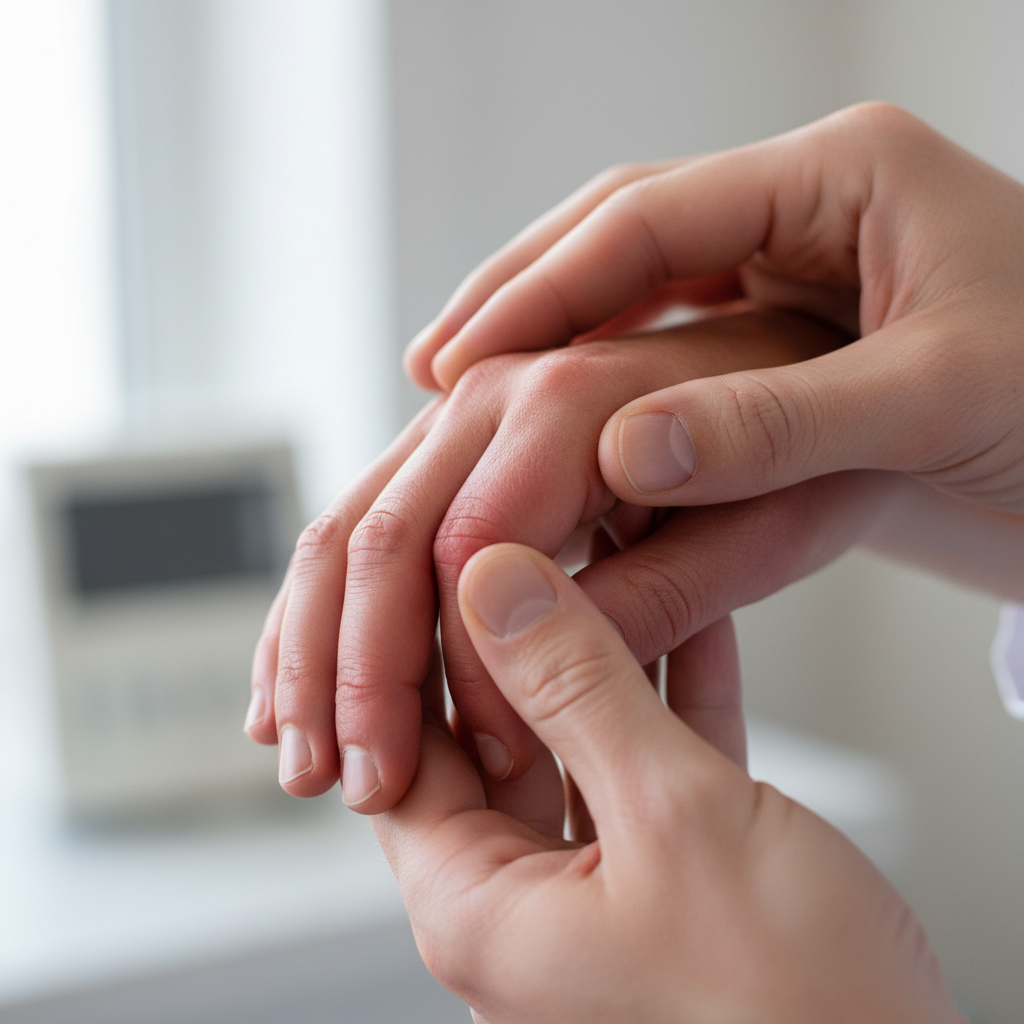
A systemic autoimmune disease where the immune system attacks joint linings, causing symmetrical inflammation, pain, and — without treatment — permanent joint damage.
Affects 1.3 million Americans. Women are diagnosed 2–3× more often than men, typically between ages 30–60.
Lupus (SLE)
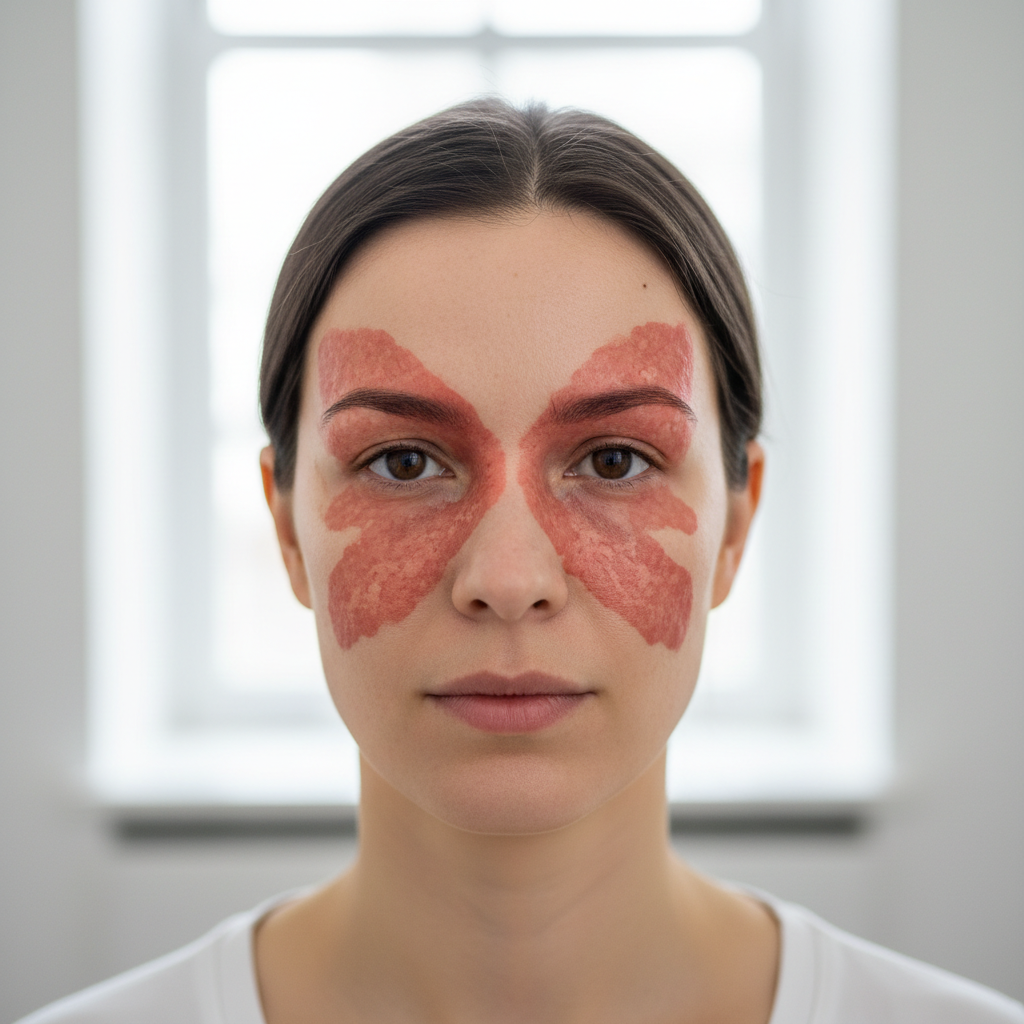
Systemic lupus erythematosus can affect joints, skin, kidneys, heart, and brain simultaneously. Its hallmark butterfly rash across the cheeks is present in roughly half of patients.
9 in 10 lupus patients are women. It often first appears in the childbearing years, making early diagnosis critical.
Psoriatic Arthritis
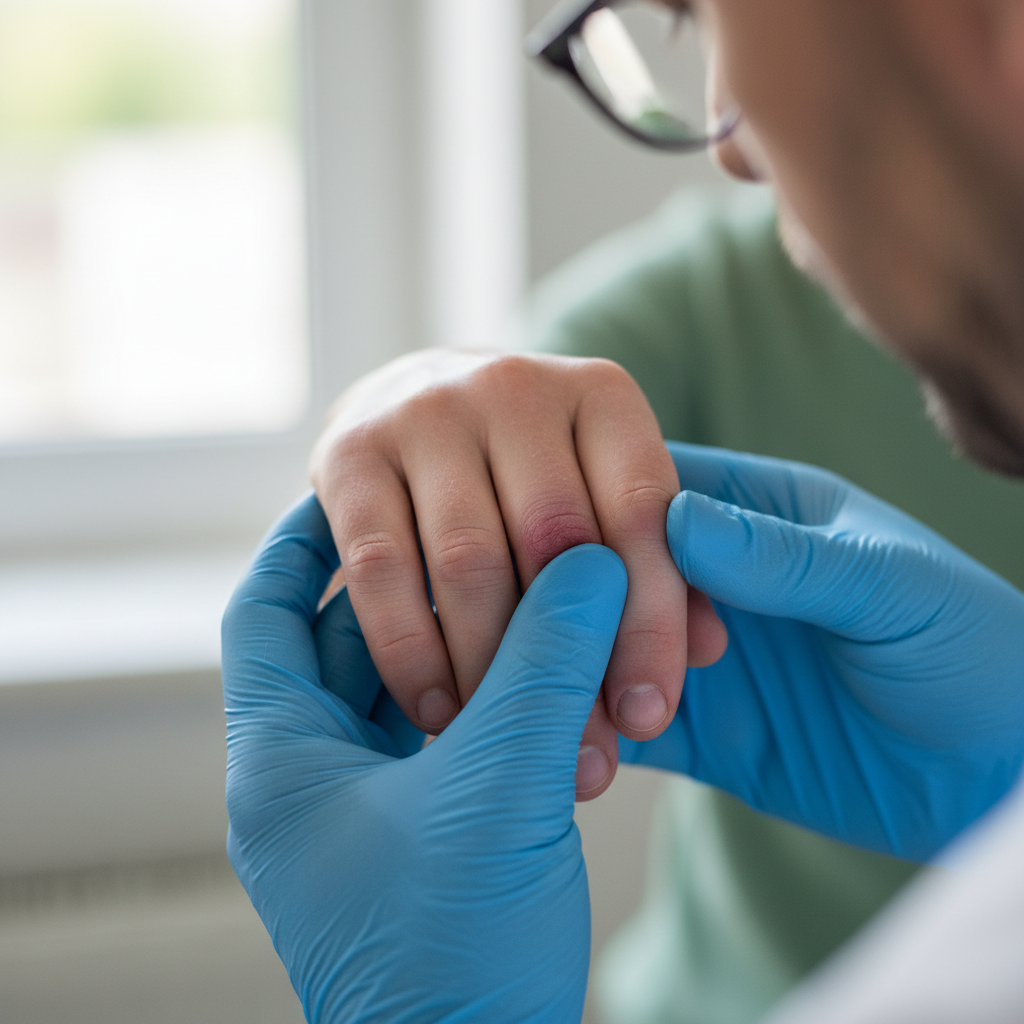
Joint inflammation linked to psoriasis. Can affect any joint, often causing "sausage digits" — swelling of entire fingers or toes — and significant spinal involvement.
Up to 30% of psoriasis patients develop PsA. Skin disease may be mild while joint disease is severe.
Gout
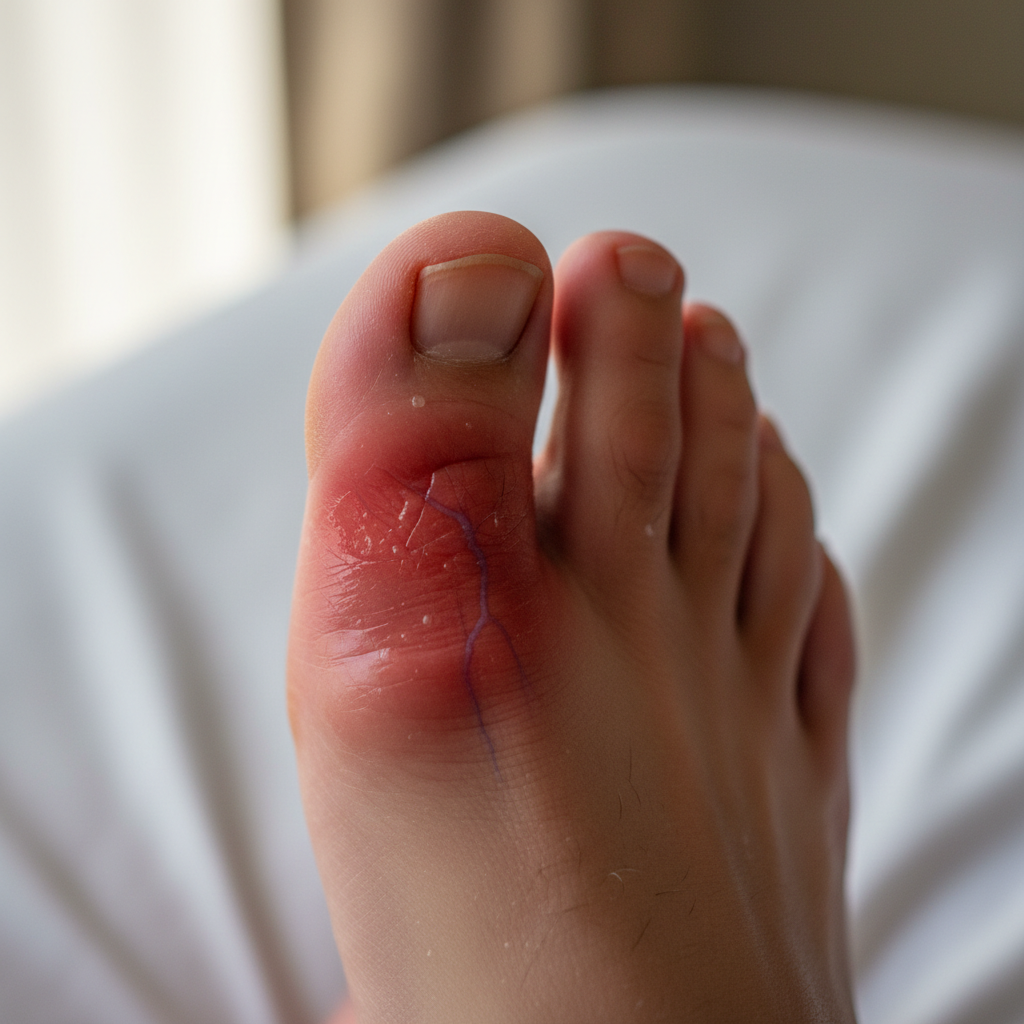
Intensely painful uric acid crystal deposits in joints. The big toe is classic, but gout attacks any joint. Increasingly common and frequently undertreated.
Gout has doubled in prevalence over 20 years. Diet, genetics, and kidney function all contribute — it's manageable with the right treatment.

Juvenile Idiopathic Arthritis
The most common chronic childhood rheumatic disease. Onset before age 16, with several subtypes ranging from mild oligoarticular to systemic with fever and rash.
For parents at midnight — JIA is treatable. Modern biologics have transformed outcomes. Early intervention matters most.
Not sure what you have?
That's exactly why rheumatologists exist. We specialize in the diagnostic process — in distinguishing between conditions that look identical on the surface but require completely different treatment.
Patient Voices
The moment it finally
made sense.
I'd been told for three years it was 'just stress.' My knuckles were the size of marbles every morning. Within six weeks of seeing Dr. Reyes at Ease, I had a diagnosis, a treatment plan, and for the first time, my hands didn't wake me up at 2am.
Marguerite Holloway
Rheumatoid Arthritis
Diagnosed at 43, after 3 years of misattribution
My son was 14 when his knee swelled up after what we thought was a basketball injury. Six months later it still hadn't resolved. The JIA diagnosis was scary at first — but the team at Ease walked us through every step. He's playing again.
David & Priya Nakamura
Juvenile Idiopathic Arthritis
Parents of a teenager with JIA
I trained for a half-marathon and my knee just never recovered. Sports medicine kept saying 'give it time.' Ease ran the right bloodwork — anti-CCP came back elevated. Turned out my 'runner's knee' was early psoriatic arthritis. The difference that early catch made is everything.
Tobias Ferenczi
Psoriatic Arthritis
Weekend athlete, diagnosed at 38
Your Next Step
Leave with something
concrete in your hands.
Whether you're ready to book an appointment or still gathering information, there's a resource built for exactly where you are right now.
Rheumatology Readiness Guide
A plain-language PDF — what to ask, what tests to expect, how to prepare.